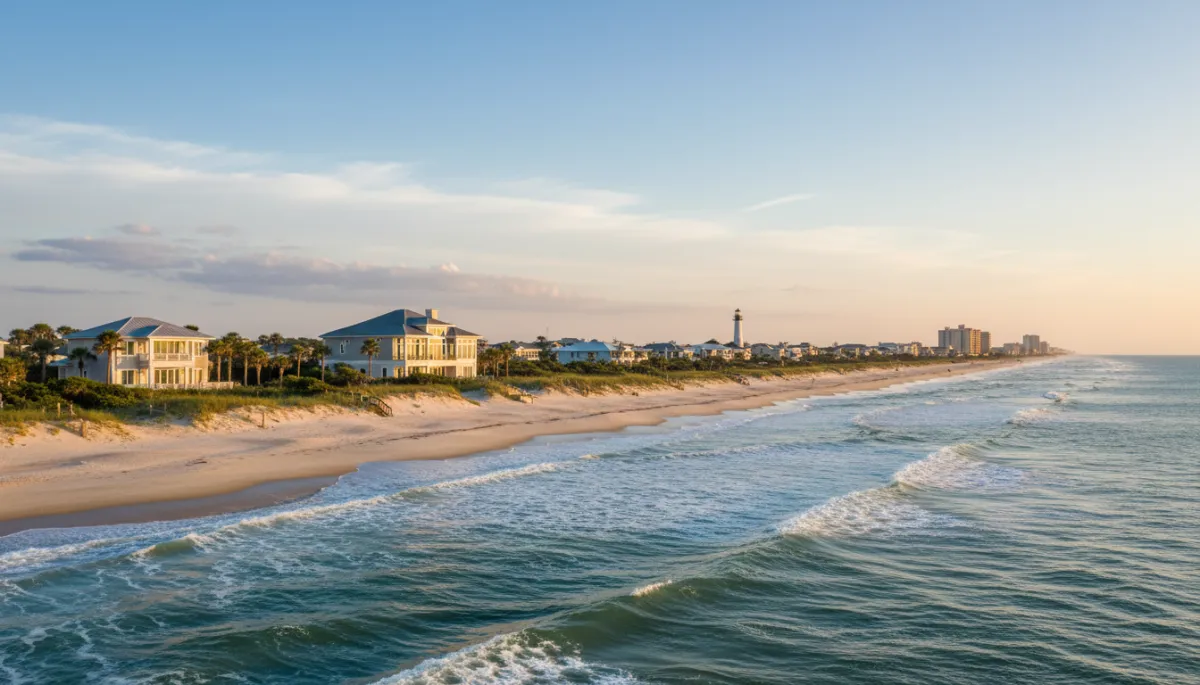
Smart Tips for Buying a Home in Myrtle Beach
Myrtle Beach Real Estate, Buying A Home Tips, Coastal Living
Smart Tips for Buying a Home in Myrtle Beach
Thinking about buying a home in Myrtle Beach? From oceanfront condos to quiet golf-course communities, the Grand Strand offers something for almost every lifestyle and budget. Use these practical, easy-to-follow tips to navigate Myrtle Beach real estate with confidence and find a home you’ll love for years to come.
Start With Your Lifestyle, Not Just the Listing Price
Before you dive into Myrtle Beach homes online, take a step back and think carefully about how you want to live day to day. Myrtle Beach neighborhoods vary widely, from lively oceanfront strips to peaceful, family-focused suburbs and gated golf communities. Clarifying your lifestyle priorities first will make every other decision easier and help you filter Myrtle Beach real estate options that truly fit you.
Do you want to walk to the beach, restaurants, and nightlife, or would you prefer a quieter, residential feel?
Are you buying a primary residence, a vacation home, or a property you may rent out part-time?
How important are amenities like golf, pools, walking trails, or gated access?
When you know what your ideal day in Myrtle Beach looks like, you can focus your home search on the neighborhoods that match that vision instead of chasing every attractive listing that pops up.
Understand the Different Myrtle Beach Neighborhoods
One of the most important buying a home tips for this area is to learn the differences between the various Myrtle Beach neighborhoods and surrounding communities. Each pocket along the Grand Strand has its own character, price range, and pace of life.
Central Myrtle Beach: Close to the beach, attractions, and restaurants. Ideal if you want to be in the middle of the action and possibly rent your home to vacationers when you are not using it.
Carolina Forest & Inland Communities: Popular with full-time residents and families, these areas offer newer construction, good schools, and a more suburban feel while still being a short drive from the ocean.
North Myrtle Beach: Known for a slightly slower pace and a strong community feel, North Myrtle Beach offers a mix of condos, single-family homes, and waterfront properties.
Surfside Beach, Garden City & Murrells Inlet: If you love a small-town coastal vibe, fishing, and waterfront dining, these neighboring communities might be a great fit.
Spend time driving through different Myrtle Beach neighborhoods at different times of day. Notice traffic patterns, noise levels, and how busy the area feels in both peak tourist season and quieter months. This on-the-ground research is invaluable and often reveals details you will never see in an online listing.
Factor in Flood Zones, Insurance, and Weather Considerations
Coastal living is a major draw of Myrtle Beach homes, but it also comes with specific considerations. When reviewing Myrtle Beach real estate, pay close attention to whether a property is in a designated flood zone and what that means for your insurance costs and long-term risk.
Ask your agent or insurance provider for an estimate of homeowners and flood insurance on any property you are seriously considering.
Review the property’s elevation certificate, if available, and understand how it affects premiums and potential future changes in flood maps.
Look at the age and condition of the roof, windows, and exterior materials, since these can influence insurance costs and storm resilience.
💡 Pro Tip: When comparing Myrtle Beach homes, always compare the total monthly cost—including principal, interest, taxes, homeowners association dues, and insurance—rather than just the purchase price.
Get Pre-Approved and Set a Realistic Budget
In a competitive coastal market, one of the best buying a home tips is to secure a mortgage pre-approval before you start touring properties. A pre-approval not only clarifies what you can comfortably afford, it also signals to sellers that you are a serious, qualified buyer—especially important in desirable Myrtle Beach neighborhoods where homes can move quickly.
Work with a local lender who understands Myrtle Beach real estate and can advise you on property types, condo financing, and second-home loans if applicable.
Build in room for closing costs, moving expenses, furniture, and any immediate repairs or updates you may want to make after closing.
Remember that oceanfront condos, resort-style communities, and golf-course neighborhoods may have higher monthly HOA or regime fees. Ask for a full breakdown of these costs up front so you are comparing properties on an apples-to-apples basis.
Choose the Right Property Type for Your Goals
Myrtle Beach real estate offers a wide range of property types, and each comes with pros and cons. Matching the property type to your long-term goals is just as important as choosing the right location.
Single-Family Homes: Often best for full-time residents or those who want more space, a yard, and privacy. You will have more control over your property but also more responsibility for maintenance.
Condos and Townhomes: Popular choices near the ocean and in resort communities. These can be excellent vacation homes or rental investments, but you will need to review association rules, fees, and rental policies carefully.
Golf and Gated Communities: Ideal if you want amenities, security, and a planned neighborhood feel. Pay attention to membership requirements and amenity fees.
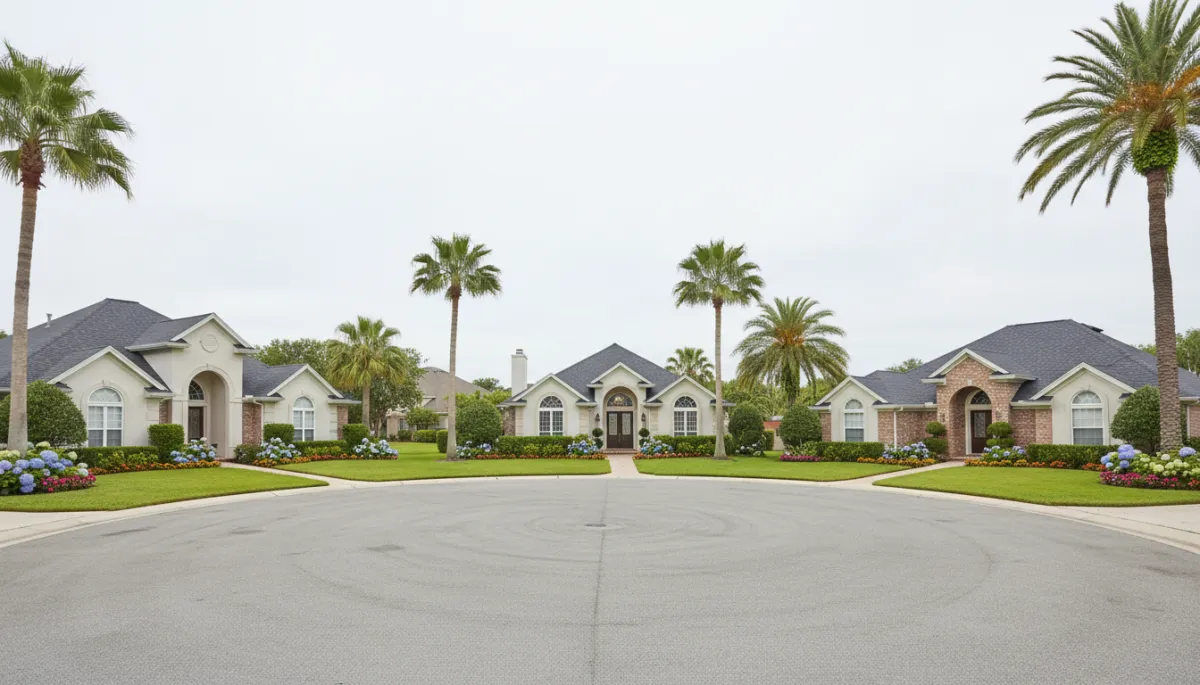
Touring different Myrtle Beach neighborhoods in person reveals details no online listing can show.
Work With a Local Myrtle Beach Real Estate Professional
While online research is helpful, there is no substitute for having a knowledgeable local agent on your side. An experienced Myrtle Beach real estate professional can help you interpret market trends, identify up-and-coming areas, and avoid common pitfalls that out-of-town buyers sometimes miss.
Ask how long they have worked in the Myrtle Beach area and which neighborhoods they know best.
Look for an agent who listens closely to your needs, explains local customs and timelines clearly, and responds promptly to questions.
If you are buying from out of state, choose someone comfortable with virtual showings, digital paperwork, and long-distance communication.
A good agent will also help you craft a competitive offer, recommend trusted local inspectors and contractors, and guide you through closing so there are fewer surprises along the way.
Don’t Skip Inspections and Due Diligence
Even if a property looks move-in ready, thorough inspections are essential when purchasing Myrtle Beach homes. Coastal weather, humidity, and salt air can affect roofs, siding, decks, and HVAC systems differently than in inland markets.
Schedule a comprehensive home inspection and consider specialized inspections for roofs, foundations, and pests if recommended by your inspector or agent.
Review HOA documents, bylaws, and financial statements for condos or planned communities so you understand rules, rental restrictions, and the health of the association’s reserves.
Ask about recent assessments or planned improvements that could affect your costs in the next few years.
Taking the time to complete your due diligence now can save you significant stress and expense later, and it may give you leverage to negotiate repairs or price adjustments when issues are discovered.
Think Long-Term: Resale, Rental Potential, and Future Needs
Finally, when evaluating Myrtle Beach real estate, look beyond your immediate move-in and imagine how the property will serve you over the next five to ten years. Life changes, and the best buying a home tips always include thinking ahead.
Consider whether the layout and bedroom count will still work if your household grows, you begin working from home more, or you host frequent guests.
If you may rent the property in the future, research local rental demand, occupancy patterns, and any regulations or HOA rules that apply to short-term or long-term rentals.
Think about resale appeal: Is the home in a desirable Myrtle Beach neighborhood? Does it offer features that future buyers commonly look for, such as updated kitchens, outdoor living spaces, or proximity to the beach and major roads?
Bringing It All Together
Buying a home in Myrtle Beach is an exciting step, whether you are relocating, investing in a vacation property, or finally securing the coastal lifestyle you have dreamed about. By taking time to understand Myrtle Beach neighborhoods, carefully weighing property types, and paying attention to details like insurance, HOA fees, and inspections, you can make choices that support your lifestyle and your financial goals.
Focus on the whole picture: how a home feels, how the community fits your daily routine, and what the true monthly cost will be. Lean on local experts, ask plenty of questions, and do not rush simply because a listing looks perfect online. With thoughtful planning and these practical buying a home tips, you will be well positioned to find the right place among the many Myrtle Beach homes on the market and enjoy everything this vibrant coastal community has to offer.
